
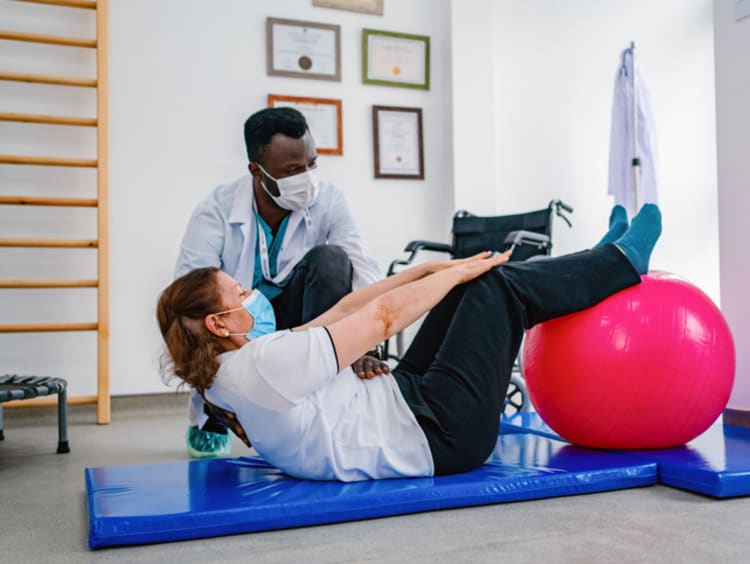
Sport Performance Training in McLean, VA for Professional Athletes
Many professional teams hire sports psychologists to ensure their athletes remain mentally focused and resilient under pressure. In this setting, responsibilities may include:
– Helping players manage performance anxiety and stress.
– Enhancing focus during high-stakes games or events.
– Developing tailored mental preparation strategies for individual athletes or the team as a whole.
Example of Roles:
| Role | Key Focus Area | Impact | |——|—————-|——–| | Individual Coach | One-on-one sessions with athletes | Builds mental toughness for critical moments | | Team Consultant | Group training on communication and cohesion | Improves collaboration during competition |
Collegiate Athletics Departments
Universities often have sports psychologists on staff to assist student-athletes who juggle academics with the demands of competitive sports. Services in this environment include:
– Teaching athletes time-management skills to balance academics and athletics effectively.
– Addressing burnout or motivational challenges during long seasons of play.
– Supporting overall well-being, including tackling personal issues that may impact athletic performance.
Private Practice
For those seeking flexibility and independence, private practice offers an excellent opportunity to work with clients across different sports disciplines. In this setup:
– Sports psychologists can work with recreational athletes or amateur teams seeking mental performance guidance. – These professionals may also provide workshops for coaches or parents on fostering healthy mindsets in young athletes.
Advantages of private practice include:
– Flexibility in scheduling sessions. – Opportunities to build a niche clientele based on specific areas of expertise (e.g., youth athletics, endurance sports).
Military Settings
Athletic performance principles are increasingly being applied within military contexts to enhance soldiers’ mental readiness and resilience under pressure. Sports psychologists working in military environments often focus on:
– Training personnel to develop focus and composure during high-pressure missions. – Teaching visualization techniques for better execution of tasks. – Assisting veterans transitioning out of active duty by offering mental health resources related to physical rehabilitation.
Finding the Best Sports Psychologist Near Me for Rehabilitation
In rehabilitation settings, particularly for injured athletes, the role of a sports psychologist is vital in helping individuals recover physically and mentally from injuries that may threaten their careers.
Key responsibilities might include: – Supporting emotional recovery after surgery or prolonged injury periods. – Guiding athletes through fear associated with reinjury. – Assisting them in regaining confidence as they return to competition.
Research Institutions
Sports psychologists interested in academia often find meaningful roles conducting research on topics such as: – The psychological aspects of peak performance. – The impact of mindfulness techniques on athletic outcomes. This career path allows professionals to contribute toward advancing the field while mentoring future practitioners.
Corporate Wellness Programs
Corporations are increasingly recognizing parallels between workplace productivity and athletic achievement principles such as goal-setting, teamwork, and stress management techniques derived from sports psychology practices.
A professional working here might: – Deliver workshops focused on stress reduction strategies. – Equip employees with tools like visualization exercises to enhance daily productivity.
By exploring these varied pathways, aspiring or practicing sports psychologists can identify settings best suited for their interests while contributing meaningfully toward optimizing physical and mental performance within different spheres of life.
Career Opportunities for a Sports Psychologist McLean, VA in Various Settings
Sports psychology offers a dynamic and versatile career path, with opportunities to work in diverse environments. As the demand for mental health and performance optimization in sports continues to grow, sports psychologists find themselves contributing to several sectors. Below is an exploration of various settings where sports psychologists typically build meaningful careers.
1. Professional Sports Teams
- Role: Sports psychologists help athletes enhance their mental resilience, focus, and performance during high-pressure situations. They often collaborate closely with coaches and trainers.
- Key Activities:
- Developing pre-game mental preparation strategies
- Assisting athletes in managing anxiety and stress during competitions
- Conducting workshops on teamwork and communication
- Example Settings:
- NFL, NBA, Premier League teams
- Olympic training committees
2. Collegiate Athletics Programs
- Role: Supporting student-athletes as they balance academic responsibilities with athletic commitments.
- Key Activities:
- Providing counseling on time management skills
- Offering techniques to overcome performance slumps or injuries
- Helping students transition into professional sports careers (if applicable)
- This setting is particularly significant because college-level athletes often experience unique pressures related to academic performance, scholarships, and career expectations.
3. Private Practice or Consulting
- Role: Many sports psychologists operate independently or as part of consulting firms, providing tailored services across different industries.
- Benefits:
- Flexibility in working hours
- Opportunity to work with a broader client base (e.g., amateur athletes, corporate professionals)
- Areas of Focus:
- Performance improvement techniques
- Stress reduction methods
- Long-term career planning for athletes
4. Military and Tactical Training Programs
- Military programs often seek sports psychologists to help soldiers improve focus under pressure or recover from traumatic experiences.
- Key areas include:
- Stress inoculation training
- Visualization techniques for mission success
- Recovery support post-deployment
5. Rehabilitation Centers
Sports psychology plays a vital role in helping injured athletes recover both physically and mentally after setbacks such as surgeries or traumas. – Focus Areas: + Teaching coping mechanisms for pain management + Guiding athletes through the psychological challenges of long recovery periods
– Collaborations: Often work alongside physical therapists, physicians, and nutritionists.
| Setting | Primary Role | Key Focus Areas |
| Professional Sports Teams | Enhancing team/individual performance | Pre-game strategies, stress management |
| Collegiate Programs | Supporting student-athlete balance | Academic-athletic transitions |
| Private Practice | Individualized consulting services | Broad clientele (amateur/professionals) |
| Military | Tactical readiness & deployment recovery | Stress management; visualization |
| Rehabilitation Centers | Psychological support during injury recovery | Pain coping strategies; rehabilitation focus |
Career Outlook for Sports Psychologists
With the growing awareness of mental health’s impact on athletic performance, sports psychologists are increasingly valued across multiple industries. Opportunities exist both within traditional athletic environments and areas like corporate wellness programs that incorporate principles from sports psychology into broader contexts.
How Sports Psychologists Support Teams and Individual Athletes in Achieving Peak Performance
Sports psychologists play a pivotal role in helping athletes and teams unlock their full potential. By addressing both mental and emotional aspects of performance, they contribute to the holistic development of athletes. Whether working with seasoned professionals, college athletes, or youth sports teams, sports psychologists employ evidence-based strategies to enhance focus, confidence, and resilience.
Mental Skills Training for Athletes
One of the primary responsibilities of a sports psychologist is equipping athletes with mental tools to excel under pressure. Key areas include:
– Goal Setting: Assisting athletes in defining clear, measurable, and achievable goals.
– Visualization Techniques: Teaching athletes how to mentally rehearse success scenarios to improve performance and reduce anxiety.
– Focus & Attention Control: Helping individuals maintain concentration during high-stress competitions or moments of adversity.
Cultivating Confidence
Confidence is critical for peak performance. Sports psychologists work on fostering this trait by:
– Identifying and challenging negative self-talk patterns.
– Reinforcing past successes as a source of motivation for future endeavors.
– Encouraging intrinsic motivation instead of external validation.
Building Resilience & Coping Mechanisms
Athletics often come with setbacks such as injuries, losses, or performance slumps. Sports psychologists provide strategies to help navigate these challenges effectively:
– Stress Management Techniques: Offering mindfulness practices such as meditation or deep breathing exercises to reduce anxiety levels before competitions.
– Emotional Regulation: Teaching skills for managing frustration or disappointment after poor performances or tough losses.
Team Dynamics and Communication Improvement
For team sports, fostering a culture of trust and effective communication is essential for success. Sports psychologists work on:
1. Enhancing group cohesion through team-building exercises.
2. Mediating conflicts between teammates or coaches when necessary.
3. Improving interpersonal communication so players can collaborate effectively on the field.
| Mental Skill | Individual Focus | Team Application |
| Goal Setting | Personal milestones | Shared objectives |
| Visualization | Personal success imagery | Team-wide strategies rehearsal |
| Focus Management | Controlling nerves in key moments | Staying aligned during group challenges |
Supporting Coaches Alongside Athletes
Sports psychologists also collaborate with coaches to optimize their leadership styles and decision-making processes:
– Advising coaches on how best to motivate players based on individual personality traits. – Helping them design pre-game routines that instill discipline while keeping stress levels manageable. – Providing tips on maintaining perspective during high-stakes games.
By working harmoniously with both athletes and their support systems, sports psychologists ensure that all aspects contributing to peak athletic performance are addressed comprehensively—not just physical abilities but mental fortitude as well.
The Role of Sports Psychologists in Rehabilitation Centers for Athlete Recovery
Sports psychologists play a critical role in aiding athletes during their recovery process, particularly when they face physical injuries or mental health challenges. Rehabilitation from an injury or performance setback is not just about physical healing—it requires psychological resilience, motivation, and a positive mindset. Below is an exploration of the role sports psychologists play in rehabilitation centers.
Psychological Support During Injury Rehabilitation
- Coping Mechanisms: Helping athletes manage stress, anxiety, and depression related to injury and recovery.
- Motivational Techniques: Encouraging athletes to stay committed to their rehabilitation programs despite setbacks.
- Visualization Exercises: Guiding injured athletes through imagery techniques to mentally rehearse movements or practice envisioning successful returns to their sport.
Enhancing Motivation and Adherence to Treatment Plans
- Creating individualized goal-setting frameworks (short-term and long-term goals).
- Using positive reinforcement techniques to celebrate milestones in recovery.
- Addressing any psychological barriers that may prevent consistent participation in therapy sessions.
Building Resilience Post-Injury
- Confidence Reconstruction: Guiding athletes back to a belief in their physical capabilities through progress monitoring and mindset exercises.
- Emotion Regulation: Teaching mindfulness practices and relaxation techniques for managing fear or frustration during recovery.
- Reintegration Training: Preparing athletes mentally for returning to competitive environments by addressing fears of judgment or underperformance.
Collaboration with Multidisciplinary Teams
| Professional | Role in Athlete Recovery | Contribution from Sports Psychologists |
| Physical Therapist | Design exercise regimens for recovery | Provide insight into athlete’s mental state that could impact adherence |
| Nutritionist | Create optimized diets for healing | Address psychological barriers related to food habits linked with stress eating |
| Orthopedic Surgeon | Oversee surgical outcomes and physical prognosis | Help manage the athlete’s expectations regarding healing timelines |
Case Study Approach: Real-Life Application
A basketball player recovering from ACL surgery may experience intense frustration due to restrictions on mobility or fear about re-injuring themselves upon returning. In this case: 1. The sports psychologist works on developing imagery exercises where the athlete visualizes themselves moving confidently on the court. 2. They integrate motivational discussions during sessions aligned with each stage of physical therapy progress. 3. They collaborate with the medical team to communicate realistic expectations while fostering optimism.
By addressing both emotional well-being and cognitive readiness, sports psychologists ensure that injured athletes are prepared—not just physically but also mentally—to resume their careers successfully once fully recovered.
Sport psychology’s role within rehabilitation centers extends far beyond mere encouragement; it incorporates evidence-based practices aimed at fostering long-term resilience among recovering athletes while ensuring they feel supported at every step of the journey.
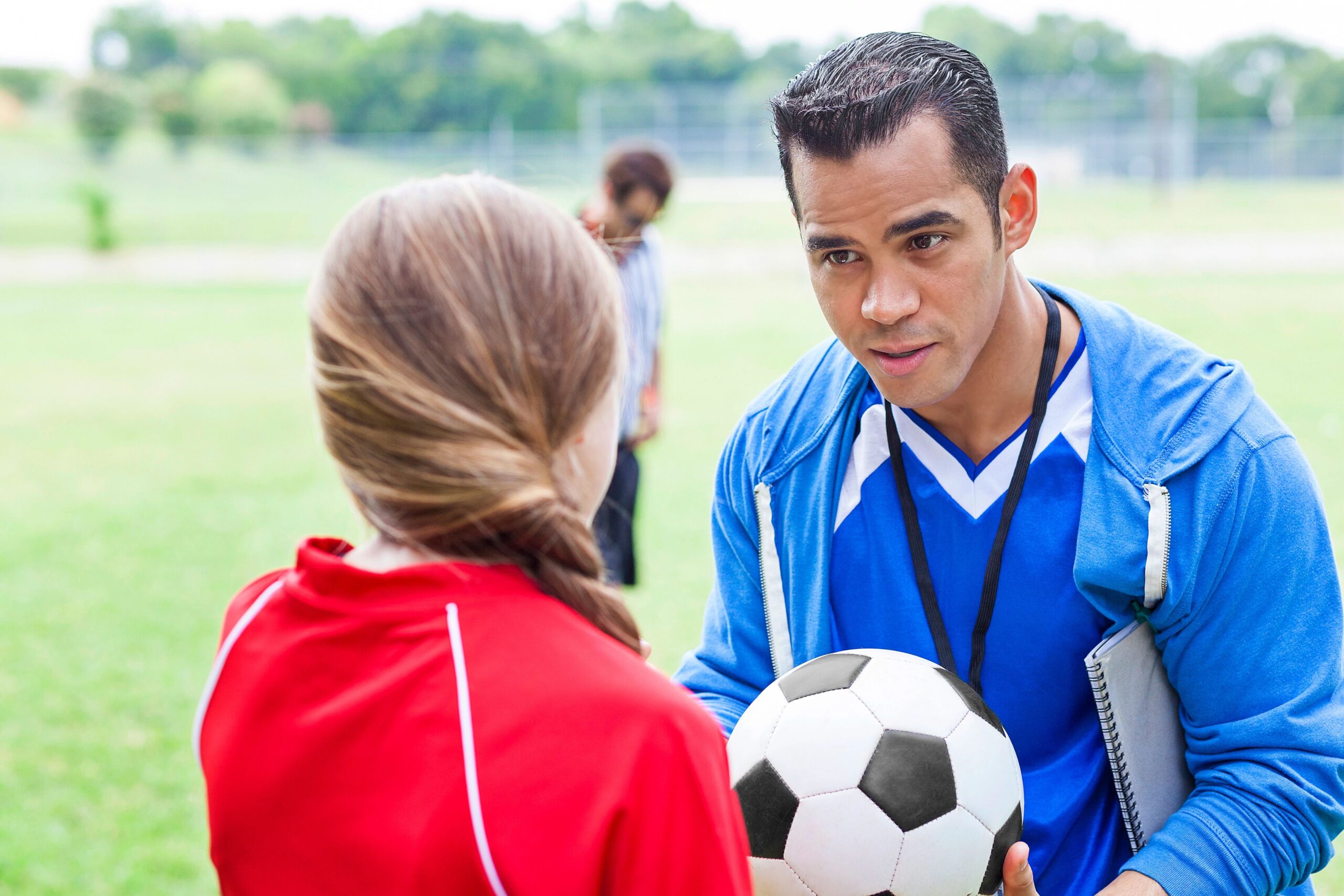
The Importance of Sports Psychologists in Universities and Academic Environments
Sports psychologists play a pivotal role in universities and academic settings by supporting student-athletes’ mental well-being, performance, and overall development. These professionals work collaboratively with coaches, academic staff, and athletic departments to create an environment where athletes can excel both on the field and in their studies. Below is an exploration of their significance in these settings.
Supporting Student-Athletes’ Mental Health
The pressures of excelling at both academics and sports can take a toll on a student-athlete’s mental health. Sports psychologists address issues such as: – Stress management: Helping athletes cope with the pressure of balancing academics, training schedules, and competitions. – Overcoming performance anxiety: Providing tools to reduce nerves during games or exams. – Addressing burnout: Preventing physical and emotional exhaustion by promoting self-care strategies.
Through individual counseling or group workshops, sports psychologists ensure that athletes remain mentally healthy while managing their demanding schedules.
Enhancing Athletic Performance
Sports psychologists in universities often focus on improving performance through psychological strategies. This involves: 1. Goal setting: Assisting athletes in setting achievable short-term and long-term goals. 2. Visualization techniques: Teaching mental imagery exercises to prepare for competition scenarios. 3. Focus training: Helping athletes maintain concentration during critical moments of a game. 4. Motivational support: Encouraging persistence and resilience after setbacks or losses.
These techniques not only improve performance but also build confidence among athletes.
Promoting Academic Success
Student-athletes often face unique challenges due to their dual responsibilities. Sports psychologists collaborate with academic advisors to provide: – Time management skills: Helping students balance study hours with practice sessions. – Study techniques under pressure: Equipping athletes with methods to retain focus during exams, even amidst intense training demands. – Support during eligibility concerns: Guiding them through academic requirements necessary for maintaining athletic eligibility.
By addressing these areas, sports psychologists help ensure that student-athletes thrive academically while staying committed to their sport.
Facilitating Team Dynamics
In university sports teams, fostering strong interpersonal relationships is crucial for collective success. Sports psychologists contribute by: – Conducting team-building workshops that enhance trust among players. – Mediating conflicts within teams to promote harmony. – Improving communication between coaches and players for clearer understanding of expectations.
Better team dynamics often translate into improved cooperation both on and off the field.
| Role of University-Based Sports Psychologists | Impact |
| Addressing mental health challenges | Reduces stress-related issues |
| Enhancing athletic performance | Boosts confidence and results |
| Supporting academic success | Helps maintain GPA alongside athletic involvement |
| Building strong team dynamics | Improves collaboration within teams |
Research Contributions
Universities are often hubs for research in sports psychology. Professionals working in academia have the opportunity to: – Conduct studies on athlete behavior under pressure. – Develop new interventions for improving mental resilience. – Publish findings that advance the broader field of sports psychology.
This research not only adds value to academic institutions but also benefits the larger athletic community globally.
By embedding themselves within universities, sports psychologists play a critical role in shaping future generations of athletes who are equipped both physically and mentally for success in all areas of life.
Steps to Start Your Education and Journey Toward Becoming a Professional Sports Psychologist
Embarking on a career as a sports psychologist involves a combination of formal education, practical training, and licensing. Below is a detailed roadmap to help aspiring professionals navigate the journey toward becoming a successful sports psychologist.
1. Obtain a Bachelor’s Degree
The first step in this career path is earning an undergraduate degree. While psychology is the most common field of study, other relevant disciplines include:
– Kinesiology
– Exercise Science
– Sports Management
During this phase, students should focus on courses such as:
– Introduction to Psychology
– Human Behavior and Development
– Research Methods
– Biological Basis of Behavior
Gaining foundational knowledge in psychology and its application in sports is crucial.
2. Pursue Graduate-Level Education in Sports Psychology or Related Fields
A master’s or doctoral degree is often required for professional practice in sports psychology. Graduate programs offer specialized training that deepens students’ understanding of psychological principles specific to performance and athletic contexts. Important considerations for graduate education include:
– Program Selection: Look for programs accredited by organizations like the American Psychological Association (APA) or those emphasizing applied sports psychology.
– Specialized Courses: Topics may include performance enhancement techniques, motivation theories, mental health for athletes, and injury recovery strategies.
For those aiming to work as licensed psychologists, earning a doctorate (Ph.D. or Psy.D.) is typically necessary.
3. Gain Practical Experience Through Internships and Fieldwork
Hands-on experience bridges the gap between theory and real-world application. Aspiring professionals should seek opportunities such as:
– Interning with sports teams or athletic organizations.
– Assisting licensed psychologists during rehabilitation programs for athletes. – Volunteering at youth sports camps to understand athlete dynamics at various levels.
Many graduate programs integrate mandatory supervised internships into their curriculum to prepare students for future practice.
4. Obtain Licensure and Certification
| Requirement | Description |
| Passing State Licensing Exams | These exams assess knowledge of core psychological practices and regulations. |
| Certification in Sports Psychology | Organizations like the Association for Applied Sport Psychology (AASP) offer certifications that validate expertise in this niche field. |
Additionally, individuals may need continuing education credits to maintain their licensure over time.
5. Stay Informed with Ongoing Learning
Sports psychology continues to evolve with advances in neuroscience, technology, and societal attitudes toward mental health in athletics. Professionals can benefit from:
– Attending conferences hosted by organizations like APA or AASP. – Subscribing to peer-reviewed journals focused on sports sciences. – Joining professional networks that provide exposure to emerging research trends.
Summary Table: Steps Toward Becoming a Sports Psychologist
| Step | Key Actions |
| Earn Bachelor’s Degree | Focus on foundational courses (psychology, exercise science). |
| Complete Graduate Programs | Choose specialized master’s or doctoral programs accredited by APA/AASP. |
| Gain Practical Experience | Internships with teams/organizations; supervised fieldwork opportunities. |
| Obtain Licensure | Meet state-specific licensing requirements; pursue relevant certifications. |
| Engage in Lifelong Learning | Stay updated through research publications & professional communities. |
By following these steps methodically, aspiring professionals can establish themselves as effective contributors within the growing discipline of sports psychology while making meaningful impacts on athletic performance and mental well-being across various levels of sport competition.
Exploring Sports Counselling McLean, VA: How It Differs from General Psychology Practices
Sports psychology and general psychology share foundational principles, but they diverge significantly in their focus, techniques, and applications. Understanding these distinctions is essential for individuals considering a career in sports psychology or seeking professional assistance tailored to athletic performance.
Key Differences Between Sports Psychology and General Psychology
| Aspect | Sports Psychology | General Psychology |
| Primary Focus | Enhancing athletic performance and well-being | Addressing mental health across diverse populations |
| Target Audience | Athletes, coaches, teams | General population |
| Core Issues Addressed | Performance anxiety, motivation, focus | Anxiety disorders, depression, trauma |
| Approach | Goal-oriented strategies for specific outcomes relevant to sports | Long-term therapy focused on broad mental health goals |
Focus Areas in Sports Psychology
- Performance Enhancement:
Techniques such as visualization, goal-setting, and concentration exercises are employed to improve on-field performance. - Mental Resilience Development:
Helping athletes build resilience to overcome setbacks like injuries or failures during competition. - Team Dynamics:
Facilitating communication between team members and promoting collaboration for better results. - Stress Management:
Equipping athletes with tools to manage stress caused by high expectations or intense competition.
Techniques Used Exclusively in Sports Psychology
- Imagery Training:
Encouraging athletes to visualize successful outcomes or game-day scenarios to boost confidence. - Biofeedback:
Monitoring physiological responses like heart rate and muscle tension during stressful situations to teach control techniques. - Pre-performance Routines:
Establishing rituals that help athletes stay mentally prepared before an event or game. - Focus Drills:
Exercises designed to train attention spans under pressure (e.g., during penalty kicks).
Broader Scope of General Psychology
- Emotional regulation
- Family dynamics
- Chronic stress management
- Trauma recovery
- Personality disorders
These domains reflect a broader perspective compared to the performance-centric lens of sports psychology.
Why Athletes Need Specialized Support
- Intense public scrutiny
- Physical demands paired with mental endurance
- Frequent travel disrupting routines
In summary, while general psychology prioritizes overall mental well-being across different populations and life circumstances, sports psychology narrows its scope towards helping individuals excel in athletic pursuits through targeted interventions and strategies. Recognizing these differences is crucial when choosing appropriate support systems based on specific goals or challenges faced by clients.

Key Responsibilities and Impact of a Sports Psychologist on Athletic Performance
A sports psychologist plays a critical role in enhancing athletic performance by addressing the mental and emotional aspects of sports. Their responsibilities go beyond simply offering advice; they utilize evidence-based techniques to help athletes achieve peak performance while maintaining mental well-being. Below is an exploration of their key responsibilities and the profound impact they have on athletes.
Key Responsibilities of a Sports Psychologist
- Teaching athletes techniques such as visualization, goal setting, and relaxation methods to improve focus and resilience.
- Developing cognitive strategies to enhance confidence during high-pressure situations, such as competitions or decisive games.
- Helping athletes identify triggers for pre-competition anxiety.
- Providing coping mechanisms such as breathing exercises or mindfulness practices to reduce stress levels.
- Assisting athletes in setting realistic yet challenging goals.
- Encouraging intrinsic motivation by fostering enjoyment and passion for their sport.
- Aiding injured athletes in regaining psychological readiness for competition.
- Addressing feelings of frustration, fear, or self-doubt that often accompany injuries.
- Working with teams to build cohesion and effective communication strategies.
- Mediating conflicts among team members or between coaches and players.
- Guiding young athletes through the mental challenges associated with balancing academic commitments and sports performance.
- Teaching life skills that extend beyond athletics into broader personal development.
The Impact on Athletic Performance
- Improved Consistency: By helping athletes maintain focus under pressure, sports psychologists enable higher levels of consistent performance.
- Enhanced Confidence: Athletes who master mental strategies develop the self-belief necessary for success in competitive environments.
- Faster Recovery from Setbacks: Whether it’s bouncing back from an injury or overcoming a poor performance, psychological guidance accelerates resilience-building processes.
- Better Communication within Teams: Stronger interpersonal relationships fostered by psychologists contribute to more harmonious teamwork and collaborative success.
- Sustainable Performance Goals: Athletes learn how to set achievable objectives that align with their long-term aspirations without succumbing to burnout.
| Responsibility | Impact |
| Mental Skills Training | Enhanced focus and resilience |
| Anxiety Management | Reduced stress during competitions |
| Motivation Building | Increased drive toward improvement |
| Injury Recovery Support | Psychological readiness post-injury |
| Team Dynamics Facilitation | Improved teamwork |
The Broader Influence
Beyond competition results, a sports psychologist’s influence extends into broader areas such as personal growth and well-being. Athletes gain tools not only for their sport but also for managing stressors outside of it—making them more balanced individuals overall.
By addressing both individual needs and team dynamics holistically, sports psychologists become indispensable partners in fostering athletic excellence at every level of competition.
- Sports Counselling McLean, VA: The Critical Role of Psychology in Enhancing Elite Sports Performance
- Sports Counselling McLean, VA: Job Description and Key Responsibilities of a Sports Psychologist
- Sport Performance Training in McLean, VA for Professional Athletes
- Exploring Sports Counselling McLean, VA: Enhancing Athletic Performance Through Psychology
- Enhancing Team Dynamics in Football with Sports Counselling McLean, VA
- How Performance Psychology in McLean, VA Can Enhance Team Cohesion and Performance
- The Role and Importance of a Sports Psychologist McLean, VA